




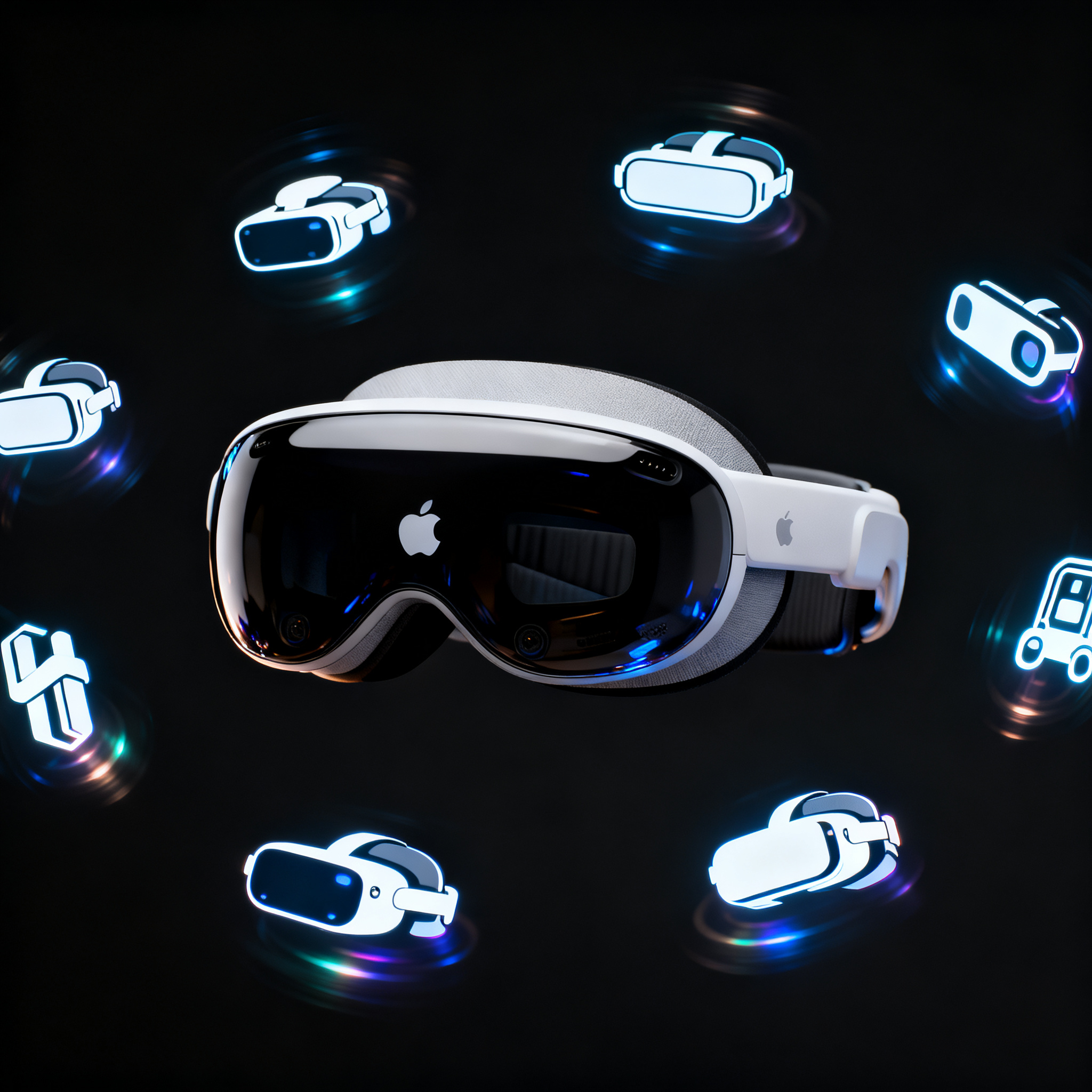
Apple Vision Pro set a new benchmark for premium mixed reality when it launched in early 2024. But with a $3,500 price tag and a focus on Apple’s ecosystem, many users are exploring alternatives. Here are the top 12 Apple Vision Pro competitors and alternatives available in 2026.
What Makes a Good Vision Pro Alternative?
When evaluating alternatives, consider these key factors: Price (headset cost, accessories, and long-term value), Display quality (resolution, field of view, and optics), Tracking and passthrough (hand, eye tracking, and mixed reality quality), Comfort (weight, balance, and ergonomics for extended use), and Ecosystem (apps, content library, and cross-device integration).
Related: For more Apple coverage, see our How to Change Vibration on iPhone: Complete Customization Guide.
1. Meta Quest 3 and Quest 4
Meta remains the market leader in consumer XR, offering standalone mixed reality at a fraction of Vision Pro’s price. The Quest 3 starts at $499 and delivers color passthrough, hand tracking, and an extensive app library. With Quest for Business, enterprises also get device management and collaboration tools.
2. Meta Quest Pro 2
For professionals seeking higher fidelity, the Quest Pro series offers enhanced processing, improved sensors, and enterprise-focused features. It bridges the gap between consumer and professional use cases with better displays and more cameras.
3. Samsung Galaxy XR (Project Moohan)
Launched in early 2026 as the first Android XR device, Samsung’s Galaxy XR headset sits between Quest and Vision Pro in both price (~$1,299) and capability. Built with Google and Qualcomm, it brings the full Google ecosystem — Maps, YouTube, Meet, and Play Store — into spatial computing.
4. Microsoft HoloLens 3
Microsoft’s enterprise-focused AR headset remains the go-to for industrial applications, healthcare, and field service. With optical see-through displays and deep Azure integration, HoloLens excels where situational awareness is critical.
5. Sony PlayStation VR2
Cinema-quality OLED visuals, eye tracking with foveated rendering, and haptic feedback make PS VR2 the choice for PlayStation 5 owners seeking premium gaming immersion. Priced significantly lower than Vision Pro, it’s ideal for entertainment-first users.
6. HTC Vive XR Elite
HTC’s standalone mixed reality headset offers pancake optics, inside-out tracking, and SteamVR compatibility. Enterprise variants provide fleet management and professional support, making it popular for training and design applications.
7. Valve Index
For PC VR enthusiasts, Valve Index offers best-in-class tracking fidelity and ergonomic controllers. With access to Steam’s massive content library, it remains the premium choice for uncompromising PC graphics.
8. Magic Leap 3
Magic Leap concentrates on optical see-through AR for enterprise, with applications in medical, industrial, and field services. Dynamic dimming and advanced optics perform well in bright environments — a key differentiator from video passthrough devices.
9. Varjo XR-4
For professionals requiring human-eye resolution, Varjo delivers photorealistic mixed reality. Automotive, aerospace, and defense clients use it for mission-critical training and design review. It’s the choice when absolute visual fidelity outweighs consumer features.
10. Lenovo ThinkReality VRX
Lenovo’s enterprise VR headset links with its broader IT portfolio, designed for large-scale deployments. With device management tools and OpenXR support, it prioritizes support contracts and lifecycle management.
11. Pico 5 Neo
ByteDance-backed Pico focuses on standalone headsets for European and Asian markets at competitive pricing. With growing content partnerships and enterprise variants, it’s a practical alternative outside North America.
12. Xreal Air 2 Pro
For those prioritizing lightweight glasses over traditional headsets, Xreal offers AR glasses with color passthrough at a fraction of the cost. They’re ideal for media consumption and on-the-go productivity.
Which Should You Choose?
Gaming and Entertainment: Meta Quest 3 or Sony PS VR2. Enterprise and Productivity: Microsoft HoloLens or Samsung Galaxy XR. Maximum Fidelity: Varjo XR-4 or Valve Index. Value and Accessibility: Meta Quest 3 or Xreal Air 2 Pro.
While Apple Vision Pro excels in polish and ecosystem integration, 2026 brings more compelling options than ever across every price point and use case.
Common Questions About Vision Pro Alternatives
What is the cheapest Vision Pro alternative?
The Meta Quest 3 at $499 is currently the most affordable mixed reality headset with color passthrough and hand tracking, offering the best value for most users.
Is Samsung Galaxy XR better than Vision Pro?
Samsung Galaxy XR offers advantages in Android ecosystem integration and a lower price (~$1,299), but Vision Pro excels in display quality and Apple ecosystem integration.
Can I use Vision Pro alternatives for work?
Yes. Microsoft HoloLens, Samsung Galaxy XR, and Varjo XR-4 are specifically designed for enterprise productivity, training, and professional applications.
What headset has the best display quality?
Varjo XR-4 offers human-eye resolution for professional use. For consumer headsets, Sony PS VR2’s OLED displays and Apple Vision Pro’s micro-OLED panels offer the highest quality.
About the Author: This guide is compiled from reviews, specifications, and analysis from The Verge, TechRadar, Android Authority, and direct product research. Pricing and availability current as of 2026.
Sources: The Verge, TechRadar, Android Authority, Meta Official, Samsung Official, Microsoft Official.